
Materials & specifications · Gurgaon homeowners
Modular furniture specification checklist before manufacturing
The material, finish, edge, hardware and installation details worth putting in writing. Plan the right questions, scope and next step for your Gurgaon home
Plan this for my homeQuick reference checklist
Five checks before you make the next decision.
Name board type, thickness and finish for every visible and concealed component.
Match the material choice to the room condition and the job the component must do. For modular furniture specifications checklist, this is the first evidence to establish before any solution is suggested.
Record the edge-band, back-panel and internal finish treatment.
Ask for this detail in writing, because a broad material label is not a complete specification. For modular furniture specifications checklist, this tells you what must be separated, specified or checked instead of assumed.
Identify hardware brand, series and quantity for each working unit.
Check the detail where it will actually be seen, used or exposed—not only on a sample board. For modular furniture specifications checklist, this prevents the decision from being made from a sample, image or rough estimate alone.
Separate furniture scope from electrical, plumbing, stone and civil dependencies.
Confirm compatibility before locking the selection, especially where finishes and moving parts meet. For modular furniture specifications checklist, this should be resolved before an order, access booking or installation commitment.
Attach the final drawing revision to the specification before manufacture.
Attach the agreed item to the specification so a later revision remains visible. For modular furniture specifications checklist, keep the final answer with the approved scope so it can be checked later.
What this guide helps you decide.
The material, finish, edge, hardware and installation details worth putting in writing.
Choose by use, not broad labels.
Name board type, thickness and finish for every visible and concealed component. Record the edge-band, back-panel and internal finish treatment. These two observations establish whether the issue is a room condition, a specification question or a change in how the space needs to work.
Specify the details that affect the finished unit.
Identify hardware brand, series and quantity for each working unit. Separate furniture scope from electrical, plumbing, stone and civil dependencies. Put the result into a drawing, written scope or site note so the proposed solution can be assessed on the same basis.
Review the choice before manufacture.
Attach the final drawing revision to the specification before manufacture. This is the point to decide what is proportionate for the home, who owns any site dependency and what should be confirmed before work proceeds.
Use this guide in a focused consultation.
Bring the relevant photographs, measurements, existing drawings or quotations for this specific decision. That lets the conversation focus on modular furniture specifications checklist rather than starting with a generic whole-home brief.
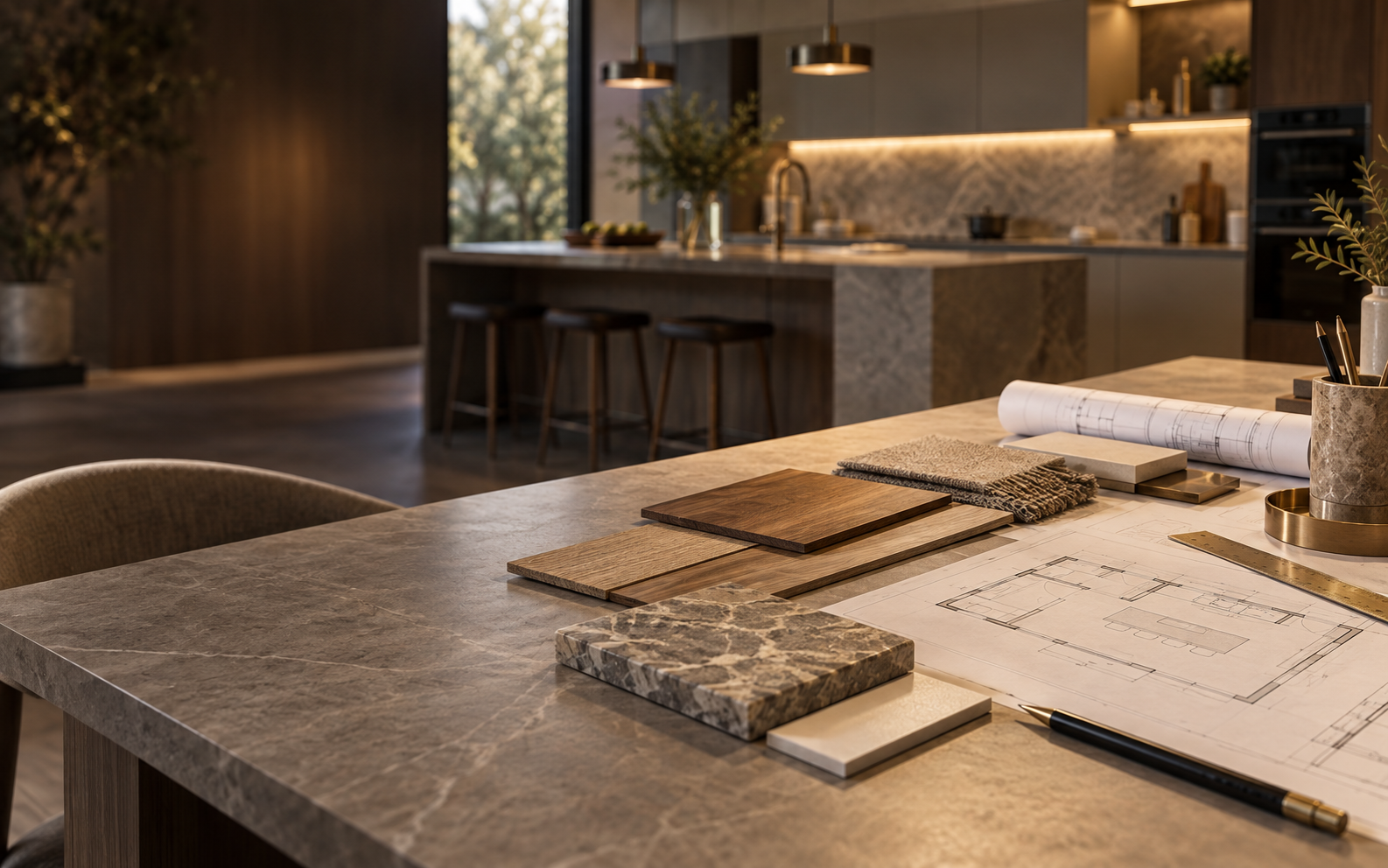
Practical comparison
Material and specification matrix
What should be named in the material schedule rather than described generally.
| Decision point | Evidence to request or record |
|---|---|
| Name board type, thickness and finish for every visible and concealed component. | Photograph, dimension or existing-condition note. |
| Record the edge-band, back-panel and internal finish treatment. | Named material, component, hardware or permission detail. |
| Identify hardware brand, series and quantity for each working unit. | Approved drawing, layout or access-plan reference. |
| Separate furniture scope from electrical, plumbing, stone and civil dependencies. | Written scope, responsibility or exclusion. |
| Attach the final drawing revision to the specification before manufacture. | Final-measurement, installation or handover record. |
Questions for your proposal
Four questions worth asking about this decision.
Use these questions to move from material labels to a checkable specification.
- What evidence confirms this on the room, drawing or quotation?Name board type, thickness and finish for every visible and concealed component.
- Which material, fitting, permission or site condition changes the answer?Record the edge-band, back-panel and internal finish treatment.
- What would make this option impractical after installation?Identify hardware brand, series and quantity for each working unit.
- Which responsibility or exclusion needs to be written down?Separate furniture scope from electrical, plumbing, stone and civil dependencies.
Avoid these mistakes
Four ways this decision can go wrong.
Skipping the first condition check
- Name board type, thickness and finish for every visible and concealed component.
- Record the evidence before a solution is proposed.
Treating an assumption as a specification
- Record the edge-band, back-panel and internal finish treatment.
- Ask for the assumption to be named in the written scope.
Choosing before the room is measured
- Identify hardware brand, series and quantity for each working unit.
- Test it against the measured room, not only an image or sample.
Leaving the practical trade-off unresolved
- Separate furniture scope from electrical, plumbing, stone and civil dependencies.
- Confirm who owns the answer before the next commitment.
Explore GridTech Modular services for kitchens, wardrobes, storage and furniture →
Frequently asked
Useful before you start.
What should I inspect first for modular furniture specifications checklist?
Name board type, thickness and finish for every visible and concealed component. Begin with that observation, then document it with photographs, dimensions or the relevant drawing.
Why does this detail matter before I choose an option?
Record the edge-band, back-panel and internal finish treatment. It affects whether the proposed solution addresses the actual requirement or only its visible symptom.
What should be written into the scope?
Identify hardware brand, series and quantity for each working unit. Ask for the answer to appear on the drawing, specification or itemised proposal.
What is the most useful next step?
Separate furniture scope from electrical, plumbing, stone and civil dependencies. Then confirm attach the final drawing revision to the specification before manufacture.
Keep planning
Related guides for your next decision.
 Materials & specificationsParent guide for this decision category.Plywood vs HDHMR for modular furniture: how to chooseRelated practical guide for your Gurgaon home.Kitchen cabinet materials guide for Gurgaon homesRelated practical guide for your Gurgaon home.Wardrobe shutter materials: a practical Gurgaon buyer guideRelated practical guide for your Gurgaon home.